
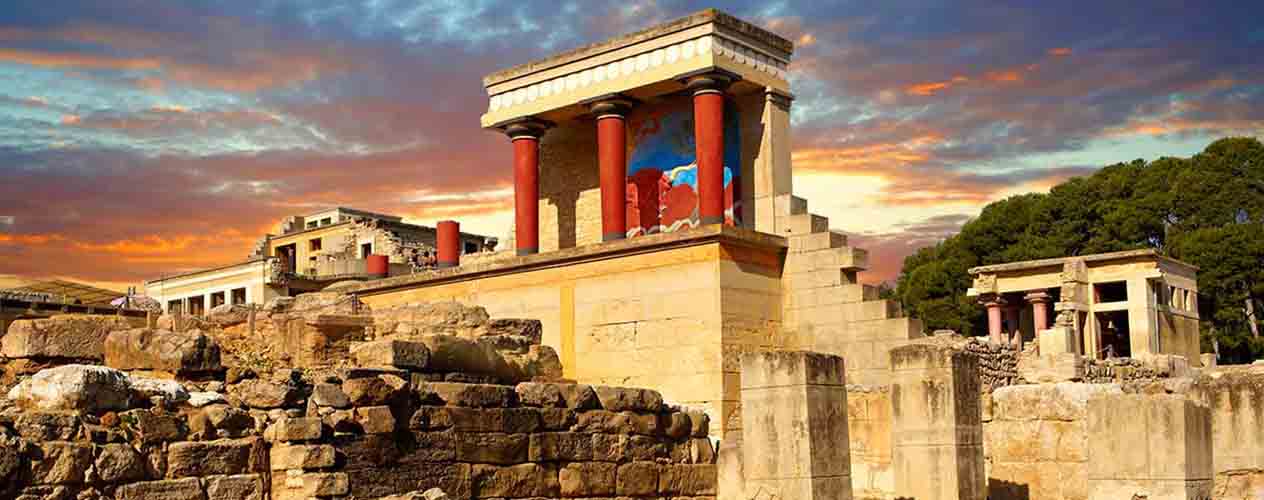
Exploring Knossos: Greece’s Minoan Marvel
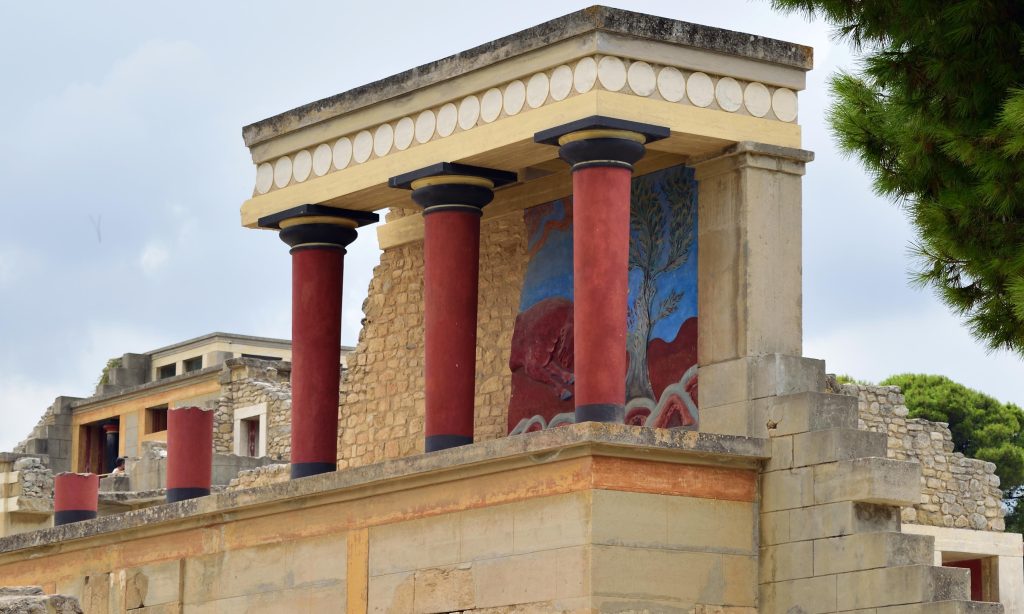
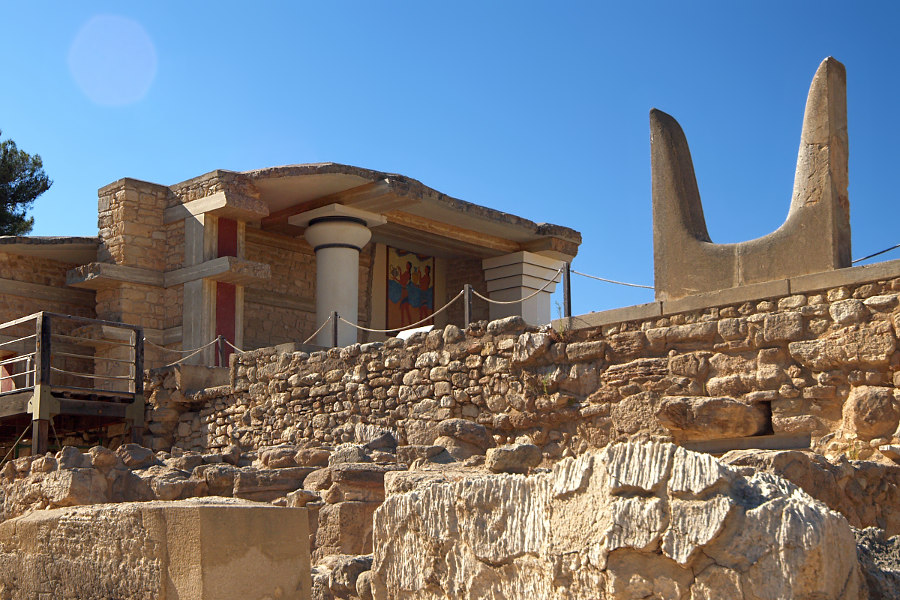
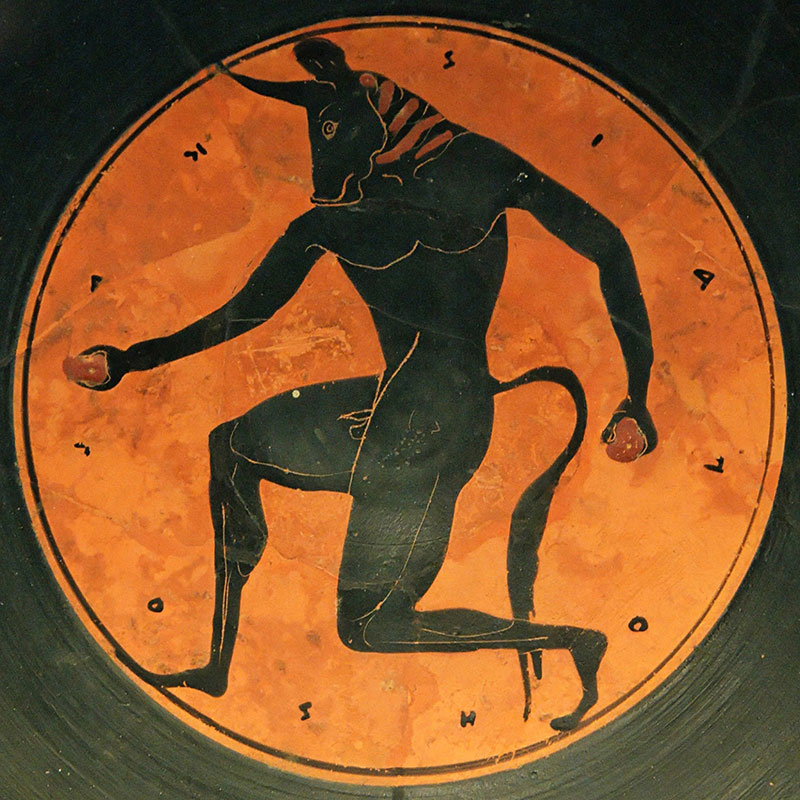
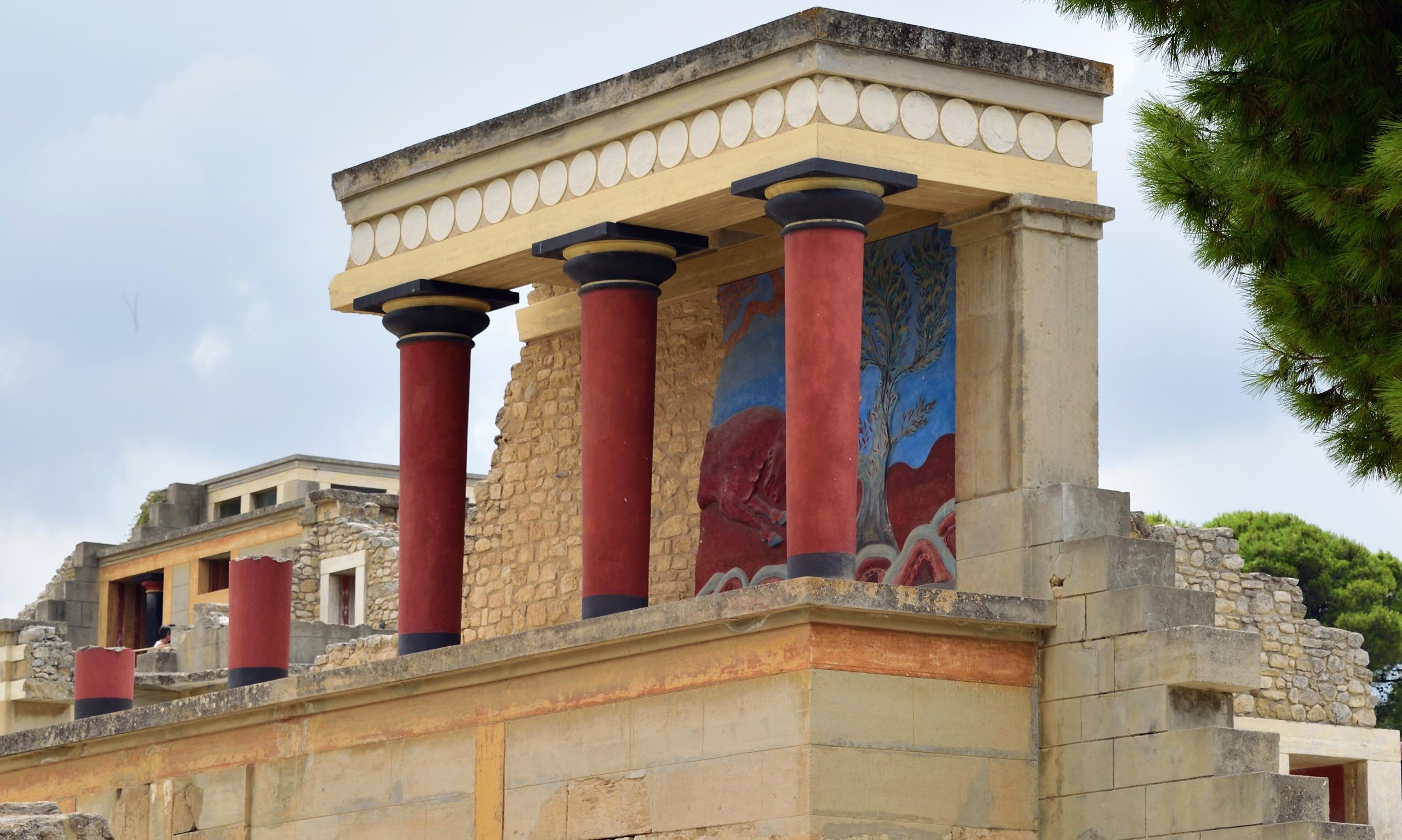
Knossos, located on the island of Crete, is one of Greece’s most iconic archaeological sites and the largest Bronze Age settlement in the region. Dating back to around 1900 BCE, it was the heart of the Minoan civilization, a highly advanced society known for its art, architecture, and maritime prowess. The palace of Knossos, often associated with the myth of the Labyrinth and the Minotaur, was rediscovered and excavated by British archaeologist Sir Arthur Evans in the early 20th century. His restoration efforts helped reveal its complex structure and vibrant frescoes, offering a glimpse into the sophistication of ancient Minoan life.
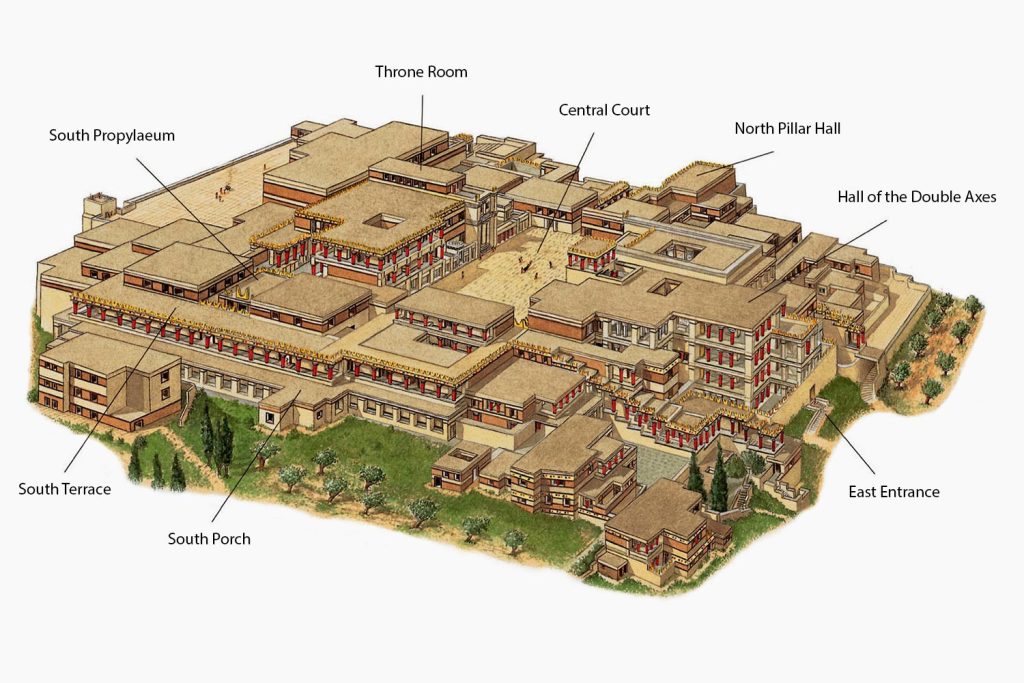
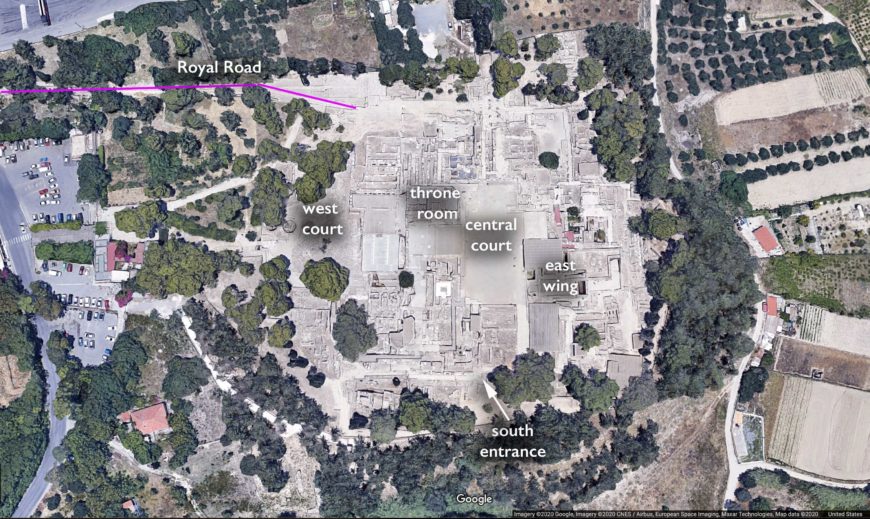
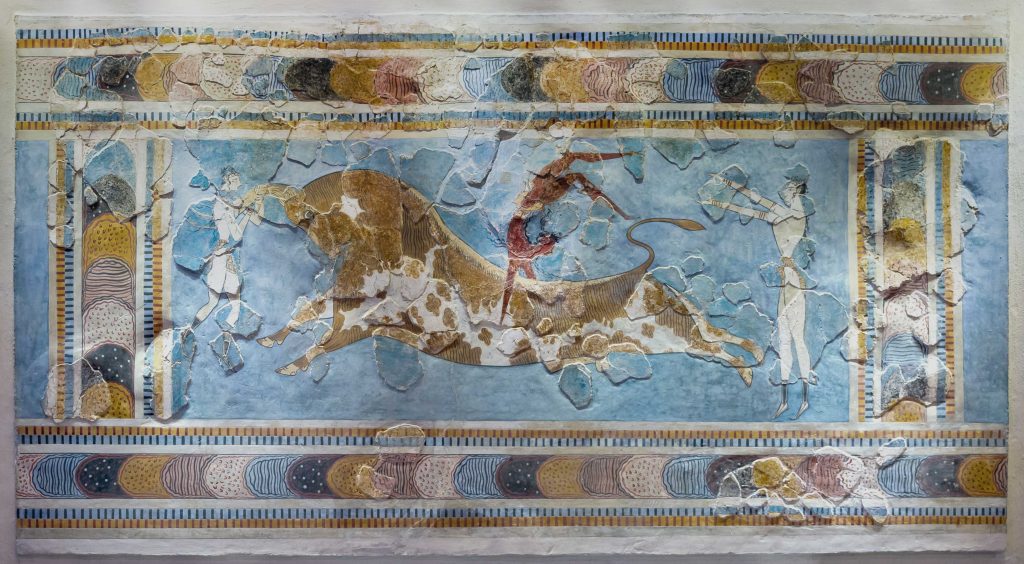
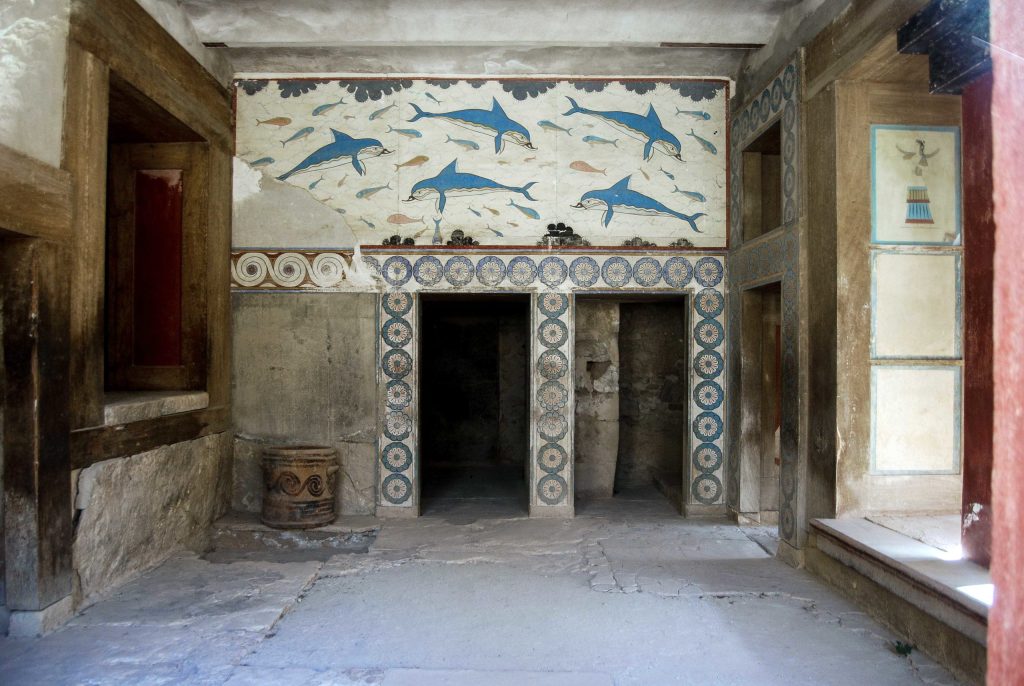
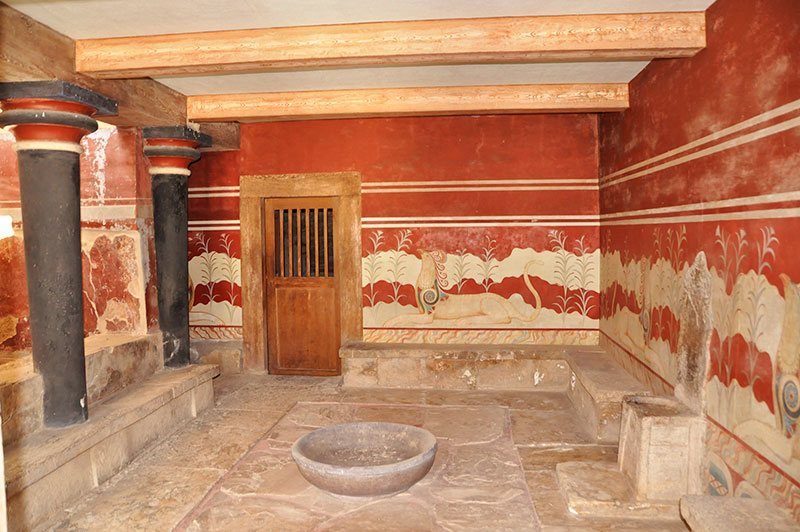
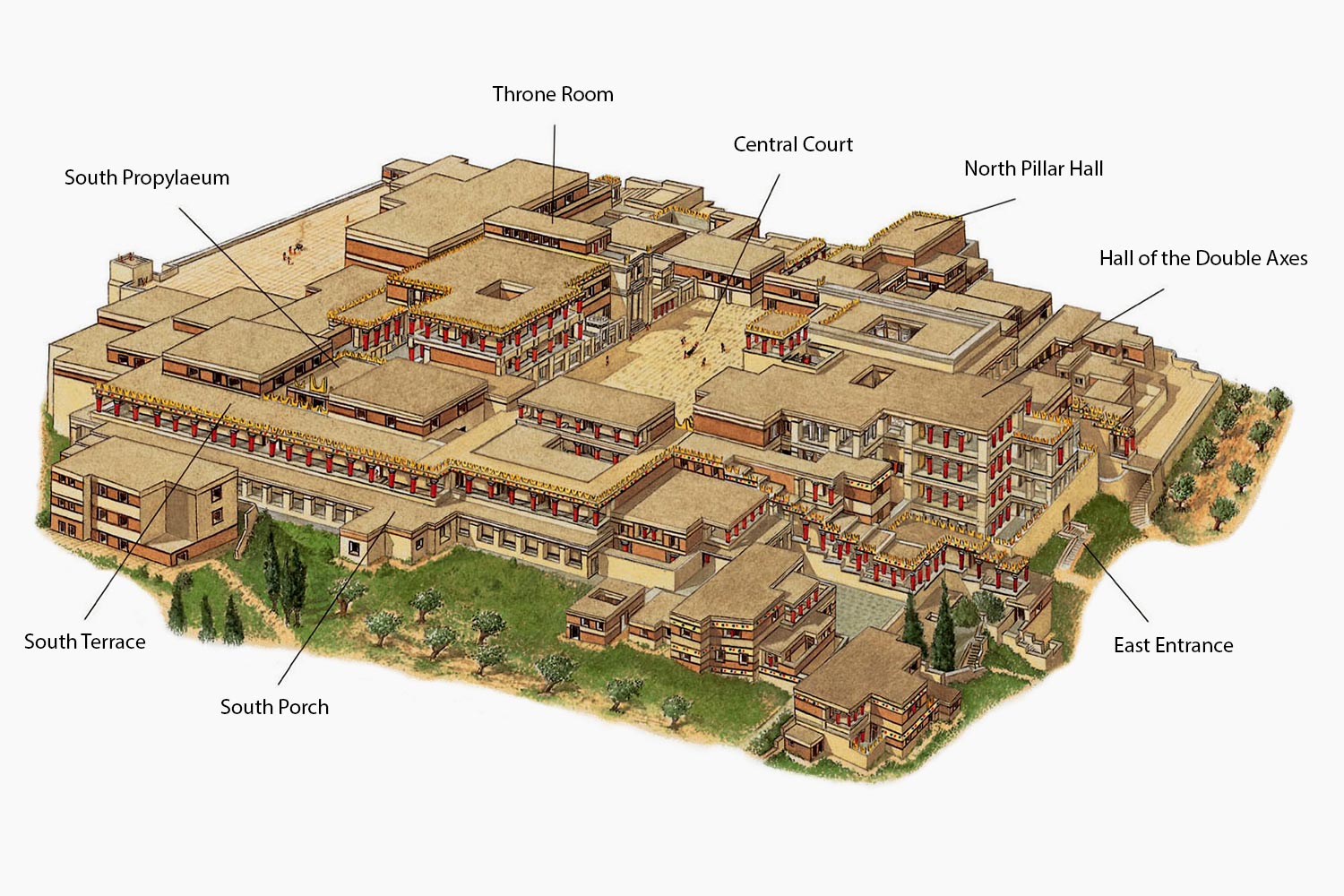
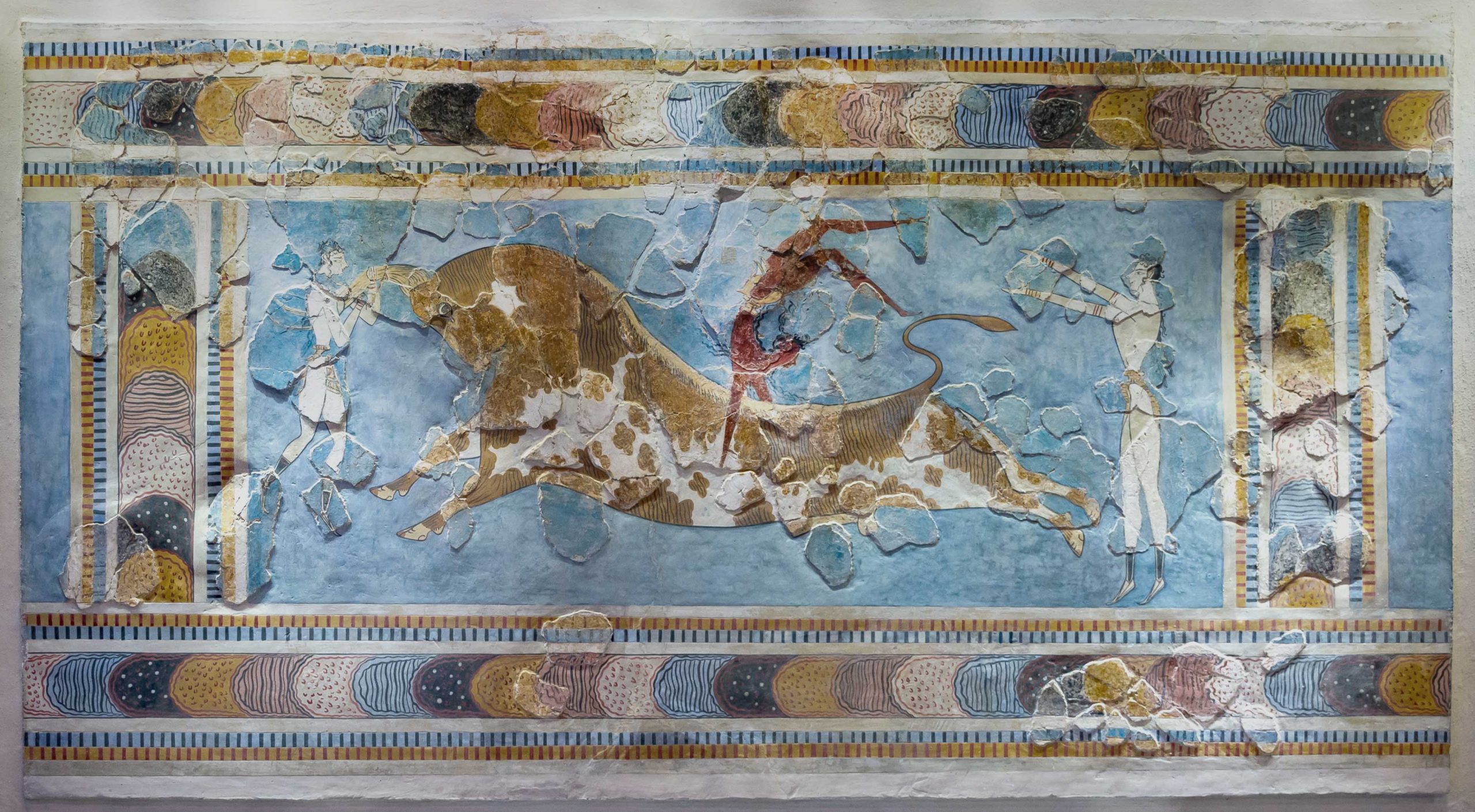
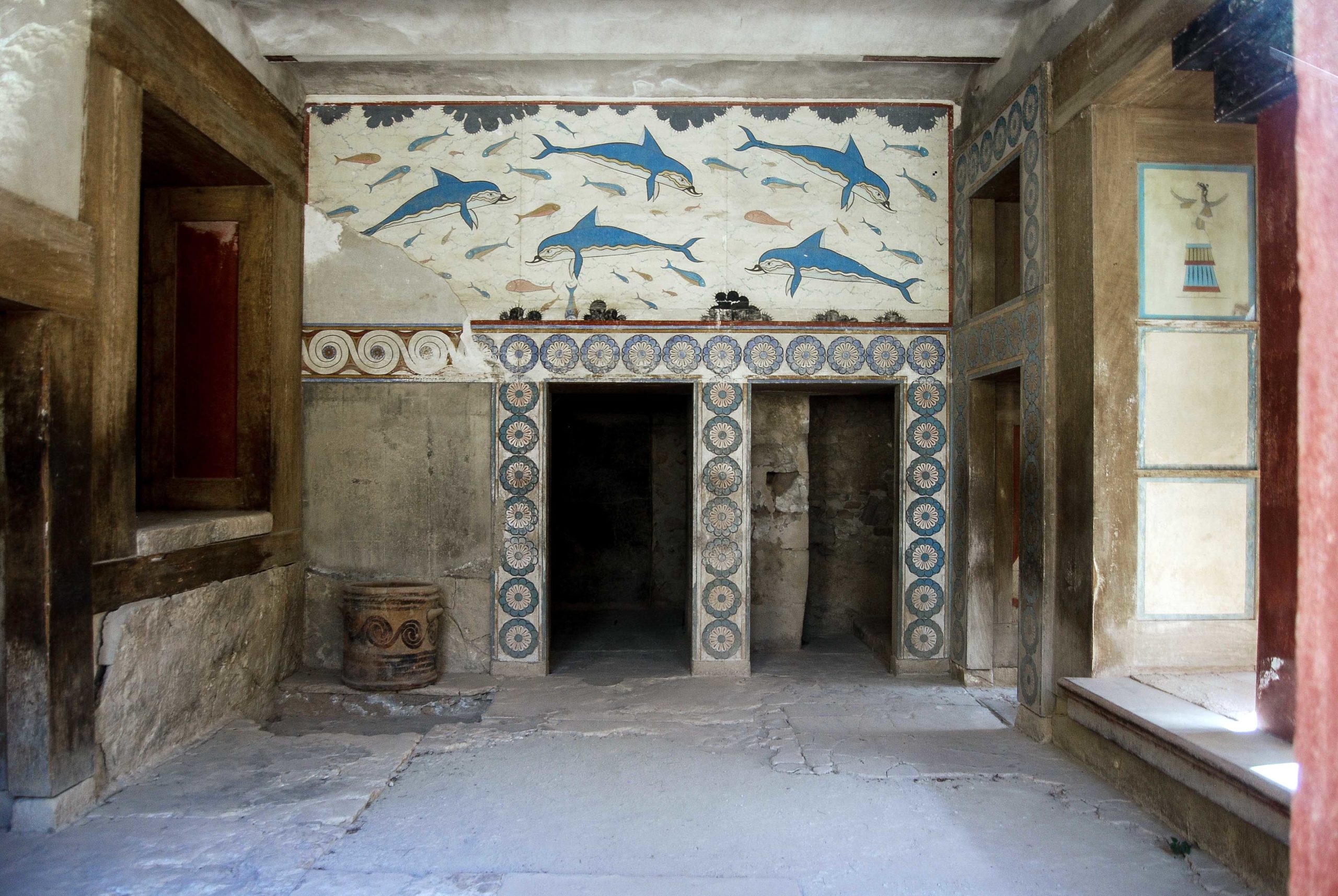
The centerpiece of Knossos is its grand palace, a labyrinthine structure that once boasted over 1,000 interconnected rooms. Visitors can explore its central courtyard, ceremonial chambers, and storerooms filled with massive clay jars. One of the most striking features is the Throne Room, where a stone seat believed to be the king’s throne is surrounded by colorful frescoes of griffins. The famed “Prince of the Lilies” fresco and the dolphin murals highlight the Minoans’ artistic mastery. This blend of ceremonial and practical spaces suggests a hub of political, religious, and economic activity.
Beyond the palace, visitors can wander through the surrounding ruins to uncover more about Minoan life. The ancient settlement includes workshops, villas, and even aqueducts that reveal the Minoans’ engineering prowess. A short walk from the palace leads to the Royal Villa, another impressive structure with fresco fragments. For a deeper understanding of Knossos’ history, the Heraklion Archaeological Museum is a must-visit. It houses artifacts such as the enigmatic Phaistos Disc, clay tablets with early Linear B script, and delicate pottery, all providing rich context for the site.
Knossos is not just a journey into the past—it’s a testament to human ingenuity. The Minoan civilization’s influence on Greek mythology and European history is palpable in its remains. Visiting this site transports travelers to a time of mythical kings and groundbreaking artistry, making it an unforgettable experience for history enthusiasts and casual tourists alike.